Story
How an island, a cricket bat and a lockdown produced an engineer.
The short version: I turned down university, went to work instead, and came back on my own terms.
Home
Born on a tropical island I am proud of. There is something particular about Barbados, and anyone who has spent time there tends to agree.
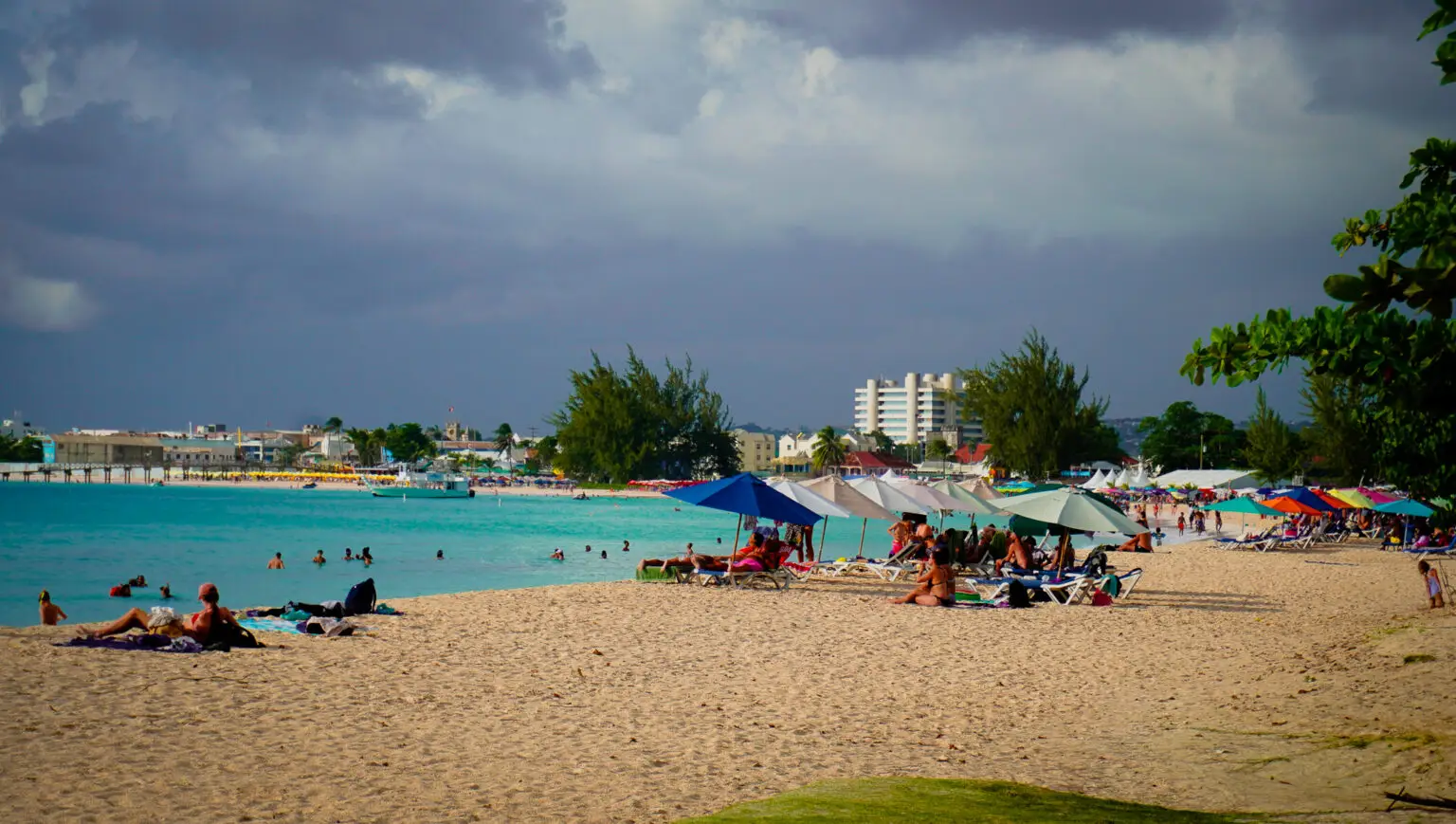
Seven days a week
Cricket shaped my childhood. It took me to England twice, and at its peak had me training or playing every day of the week for years. It also taught me to work inside a system where you get one chance and everybody is watching.
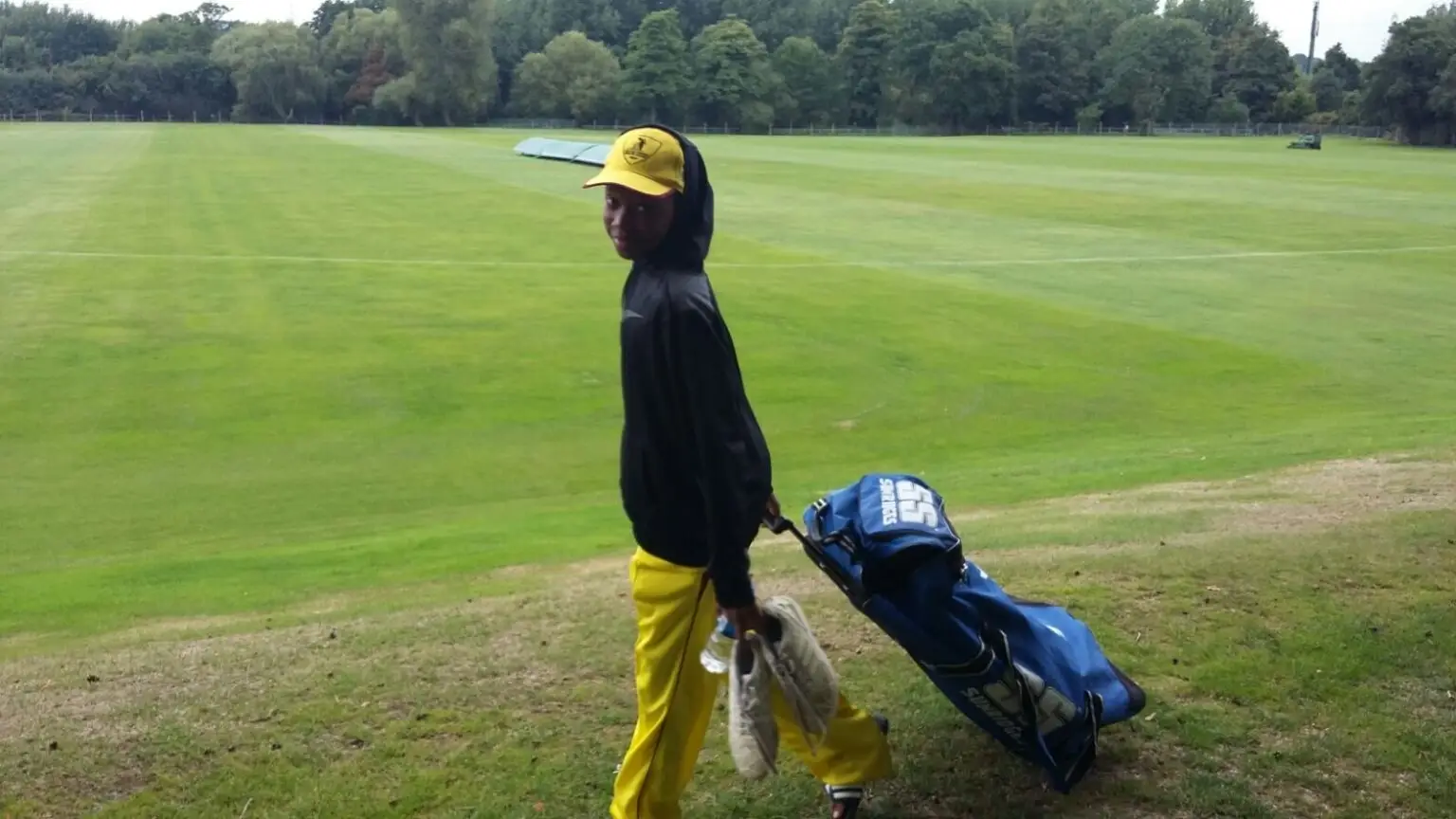
Talking about sport and development
Through cricket I worked with UNICEF on how sport can be used for the positive development of children. Looking back, it was my first contact with social work, and probably where the habit of speaking publicly about ideas started.
My first build
I spent every dollar I had saved on a high-end gaming computer I did not need. A bad financial decision and the beginning of everything technical I have done since.
The pause
From active seven days a week to not leaving the house. In Barbados the promise is simple: do well in school, study abroad, get a good job. I hit the most consequential exams of my education with no classroom and a school system that had never used online learning. It was a turbulent couple of years.
Starting a company
Bartlett Tech was what happened to a kid stuck at home with nothing to do. I spent months planning and then started building computers — for gamers, producers, businesses, anyone who wanted one. Being in business changed how I saw almost everything.

The lighting line
A year in, I wanted to sell something with the company’s name on it. I landed on LED light strips, worked with a graphic designer on packaging, and found a manufacturer in China. The line sold out within thirty days. That was my first end-to-end supply chain, from a factory floor eight thousand miles away to a customer in Bridgetown.

I turned down university
I had worked toward university for nearly a decade. I got in, and I said no. Did I even like this degree? How would I use it? How were we paying for it? I had a business and my life finally felt on track. I was not going to spend four expensive years on a decision I could not justify.
Three jobs that decided it
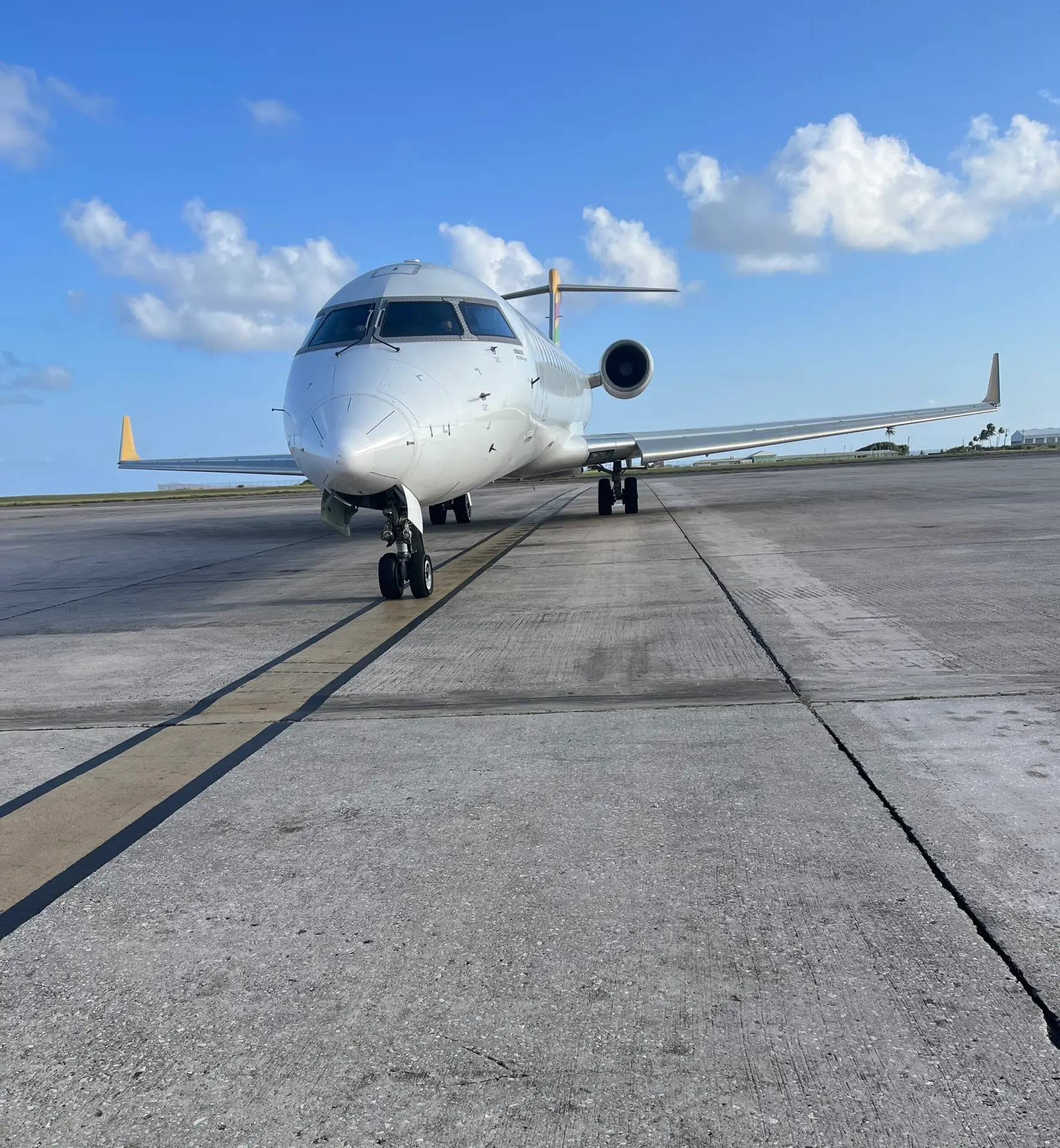
An electrical internship at the country’s leading firm, wiring a commercial bank and the Barbados sea port, where I learned three-phase distribution and what salt air does to specification. HR at the opening of a new hotel, building the employee and payroll databases and watching how a large organisation actually makes decisions. And an airport job that turned into radio communications and operations — the direct line between aircraft in the sky and the ground, where something goes wrong every single day.
Back to university, on purpose
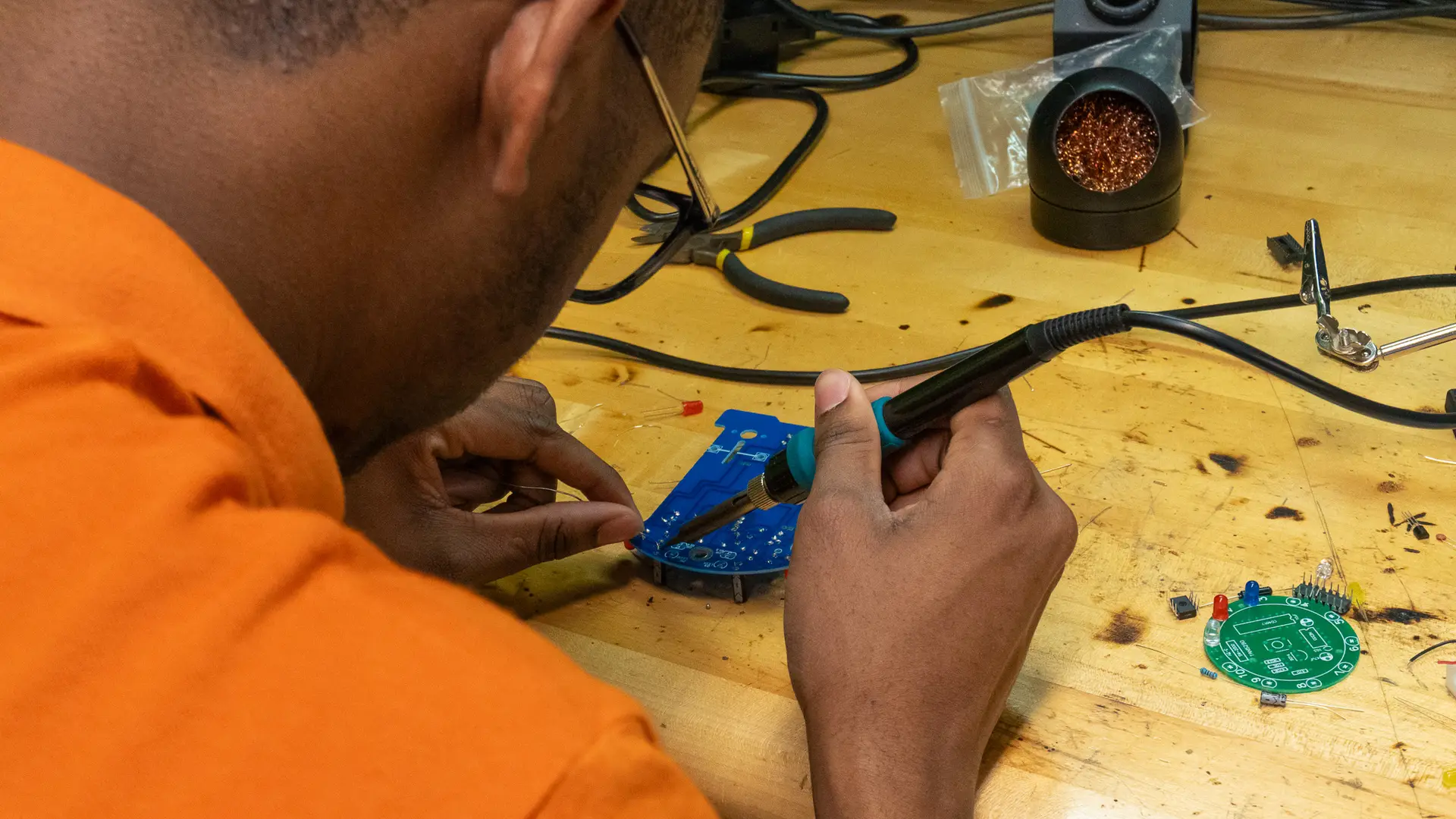
Those jobs gave me the answer I had been missing. I went back to USF for electrical engineering not because it was the next step or because someone told me to, but because I had a reason. The second time around I got a scholarship, so it cost less than half what it would have two years earlier.
The question I’m working on
Two years in, my work has narrowed onto one question. Small island states import technology constantly and run very little of it themselves. I have seen both ends of that — shipping hardware into Barbados as a teenager, and now building sensing systems in a robotics lab. The engineering is the easy half. The rest is policy, financing and people, which is why I am headed toward graduate work in science and technology policy, and why I spend my summers teaching robotics to Caribbean students.